For the past decade, I have sat at the intersection of digital culture and mobile gaming, watching as the humble digital slot machine transformed from a simple pixelated reel into a cinematic masterpiece. If you look at the evolution of modern gaming, you’ll notice a clear trend: the shift from purely transactional mechanics to highly immersive, story-driven environments. Whether you are a casual player enjoying a follow this link quick session during your commute or a dedicated strategist tracking volatility indices, the "theme" has become the primary driver of engagement.
In this analysis, we explore why branded slot themes and immersive storytelling slots have become the dominant force in smartphone-based entertainment, and how developers are utilizing sophisticated UX patterns to keep players engaged.
The Shift Toward Immersive Storytelling Slots
Gone are the days when a slot game was defined solely by cherries, bars, and the number seven. Today, players demand a narrative. When a user logs onto a platform like mr Q (mrq.com), they aren’t just looking for a chance at a jackpot; they are looking for a cohesive world. The industry has realized that themed slot gameplay provides a cognitive hook that traditional machines simply cannot match.
By leveraging pop culture, historical epochs, or mythological quests, developers create a "hook" that draws the player in before they even spin the reels. This is what we call thematic cohesion. When a player engages with an immersive storytelling slot, the background music, the symbol design, and the bonus round cinematics all work in tandem to sustain a state of "flow"—a psychological state where the player is fully immersed in the task at hand.
The Power of Mobile-First Design and Touch UX
The rise of these environments is inextricably linked to the ubiquity of smartphone-based entertainment. As noted in recent reports from Reuters Technology, the mobile gaming market has shifted the center of gravity away from desktop interfaces toward devices that fit in our pockets. This shift forced a massive industry-wide pivot toward responsive design.
In mobile-first environments, the UX is everything. Touch interactions aren't just about tapping a "Spin" button; they are about haptic feedback, fluid animations, and intuitive UI placements that make the game feel like a premium mobile app rather than a clunky web portal. The best developers now treat their slot environments like high-end casual games, ensuring that every touch interaction feels responsive and satisfying.
The UX Pillars of Modern Slots
- Haptic Synergy: The way a phone vibrates during a "big win" provides physical gratification. Simplified Navigation: Removing cluttered menus to ensure the "theme" remains front and center. Optimized Latency: Ensuring that complex graphical assets load instantly over mobile networks, keeping the player in the "flow."
Interactive Progression Loops: The New Retention Hook
One of the most significant changes in the industry is the adoption of "meta-games." This is the practice of embedding missions, levels, and character growth within a slot game. This approach moves the experience closer to the world of MMORPGs or casual social games.
Consider the structure of a modern progression-based slot:
The Hook: A daily objective (e.g., "Land 5 scatters to unlock the next region of the map"). The Reward: Earning tokens or experience points that contribute to a permanent progression bar. The Retention: The "sunk cost" of progress—players are less likely to leave a game if they have spent time leveling up a character or unlocking a new visual theme.As SHEEN Magazine has highlighted in their lifestyle features on modern digital hobbies, this gamification trend mirrors the way we consume other forms of media—constantly rewarding engagement with small, dopamine-triggering milestones.
Daily Bonuses and Loyalty Systems
Retention is the holy grail of mobile app development. To keep users coming back, operators have turned to sophisticated loyalty systems that make every day feel like a new opportunity. These aren't just "login bonuses"; they are personalized engagement loops.
By analyzing player habits, apps can tailor daily rewards. If a player favors a specific branded slot theme, the app might offer "Free Spins" on that specific machine to re-engage them. This level of personalization, driven by data, ensures that the casino environment feels like an ecosystem rather than a stagnant storefront.
Leaderboards and Tournaments: Building a Social Layer
The final piece of the retention puzzle is the social element. Human beings are inherently competitive. By integrating real-time leaderboards and competitive tournaments, developers have turned a solitary activity into a communal one.
These features create a "Fear of Missing Out" (FOMO) and drive short-term spikes in activity. When a player sees their name moving up a leaderboard, the incentive to stay logged in and climb just one more spot is a powerful retention tool. This is why you see platforms investing heavily in tournament infrastructure—it keeps the digital floor buzzing with activity, much like a physical casino floor, but at a massive, digital scale.
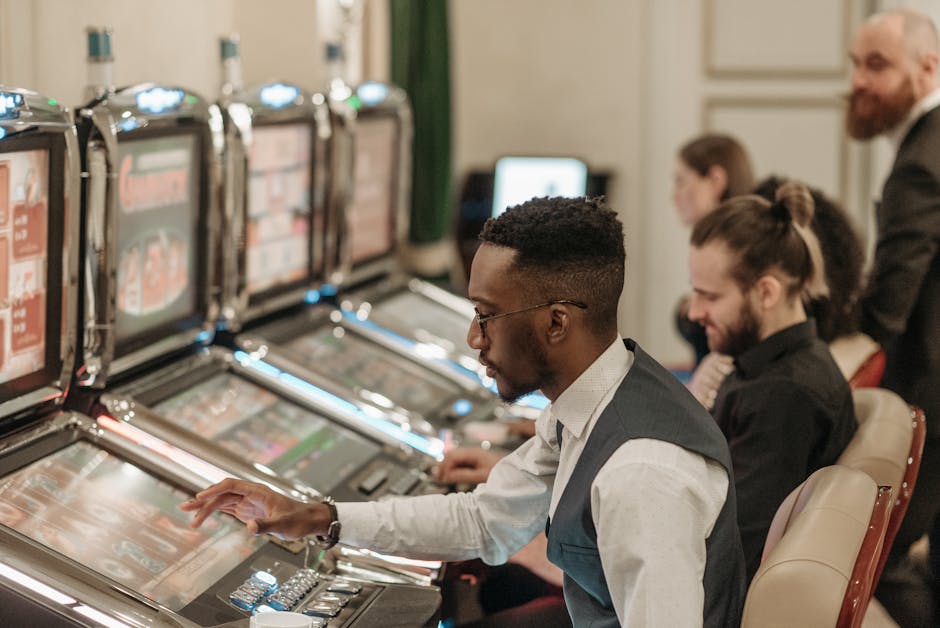
Comparison: Traditional vs. Modern Themed Environments
Feature Traditional Slots Modern Themed Slots Focus Mathematical probability/Payout Entertainment/Storytelling Interface Static 2D layout Dynamic, 3D, responsive design Engagement Transactional (Spin to win) Gamified (Levels, missions, loyalty) Social None Leaderboards, social sharing, tournamentsFinal Thoughts: The Future of the Digital Floor
As we look toward the future, the integration of technology will only deepen. We are already seeing the early stages of augmented reality (AR) and more advanced AI-driven personalization. The reason themed slot environments remain so popular is simple: they satisfy the human need for discovery, progression, and play.

Whether you are engaging with the high-production values found on platforms like mr Q or analyzing the macro https://casinocrowd.com/what-does-interactive-slot-experience-actually-mean/ trends reported by Reuters Technology, it is clear that the industry has successfully moved beyond gambling. Today, it is about the "experience." By blending the psychology of casual gaming with the excitement of casino mechanics, developers have created a permanent fixture in the landscape of digital entertainment—one that is here to stay, and one that is only going to become more immersive with time.
The next time you open a slot app, take a moment to notice the progression bar, the daily mission tracker, or the way the theme pulls you into a specific narrative world. You aren't just playing a game; you’re participating in a sophisticated, multi-layered digital environment designed to keep you entertained, challenged, and coming back for more.