If you have ever tried to buy something on your phone and felt like you were jumping through hoops just to give someone your money, you have experienced "friction."
In the world of tech and payments, companies love to throw around the term "frictionless checkout." It sounds like marketing speak, but it is actually a simple concept: it is about removing every unnecessary step between you and the thing you want to buy.
What this means for you: When you see this term, it means the app or site designer has tried to clear the path so you can finish your transaction without getting annoyed or quitting halfway through.
Why "Frictionless" is Everywhere in Online Entertainment
Online entertainment platforms, especially in the gaming sector, have turned payment UX (user experience) into a major https://varimail.com/articles/the-one-click-revolution-why-your-digital-wallet-never-sleeps/ part of their product. If a player has to stop their flow to hunt for a credit card, look up a security code, or wait for a slow bank verification, they might just close the window. Companies like MrQ focus heavily on this because they understand that a smooth entry point is just as important as the games themselves.
When the payment process is integrated into the site's design—often using clean icons found in creative libraries like Freepik to guide the eye—the whole interaction feels like one continuous motion rather than a series of interruptions.
The Mobile-First Expectation
According to data from the Pew Research Center, the vast majority of adults use smartphones as their primary way to access the internet. We live our lives on 6-inch screens. If a checkout page isn't designed to be tapped easily with a thumb, it is effectively broken.
Frictionless checkout on mobile means no pinch-to-zoom, no tiny text boxes, and no "back button" traps. It means the payment form fits your screen perfectly and the buttons are big enough that you don't accidentally click the wrong thing.
What this means for you: If a payment page requires you to turn your phone sideways or squint to see the "Submit" button, it isn't frictionless. It’s an outdated design.
Understanding "Pay by Phone" and Carrier Billing
One of the most popular ways to achieve this "frictionless" goal is through mobile carrier billing. If you have ever seen a pay by phone casino option, that is what is happening under the hood.
Instead of typing in a long credit card number, your phone number acts as the identifier. The charge is then added to your monthly mobile phone bill or deducted from your prepaid balance.
Here is why this is the definition of frictionless:
- No manual entry: You don't have to carry a physical wallet or card. Speed: It is usually a one or two-tap confirmation. Security perception: You aren't typing sensitive bank numbers into a browser window, which many users find more comforting on mobile.
What this means for you: Mobile carrier billing is designed to be fast, but remember that because it is so biometric login for online slots easy to use, it is important to keep track of how many times you authorize a payment.
The Friction Checklist: A Quick Comparison
To help you spot when a site is actually making things easier versus when they are just hiding complications, look at this table.
Feature Traditional Checkout (Friction) Frictionless Checkout Data Entry Manual entry of 16-digit card numbers Saved profiles or carrier billing Identity Check Redirects to a third-party banking site Biometric (FaceID/Fingerprint) Layout Cluttered forms that require zooming Mobile-optimized, clear "Next" buttonsNote: Always be aware that platform-specific policies on transaction limits and deposit requirements vary by provider. No specific fees or pricing models are universal across all frictionless platforms; always check the site’s "Help" or "Terms" section before confirming a payment.
Why "Frictionless" Matters for Your Digital Life
We often talk about "friction" like it is just a minor annoyance. In reality, it is a significant barrier to entry. If you are trying to play a game or subscribe to a service, the moment you have to stop and think, "Is this worth the effort to enter my billing address again?" is the moment the platform has failed.

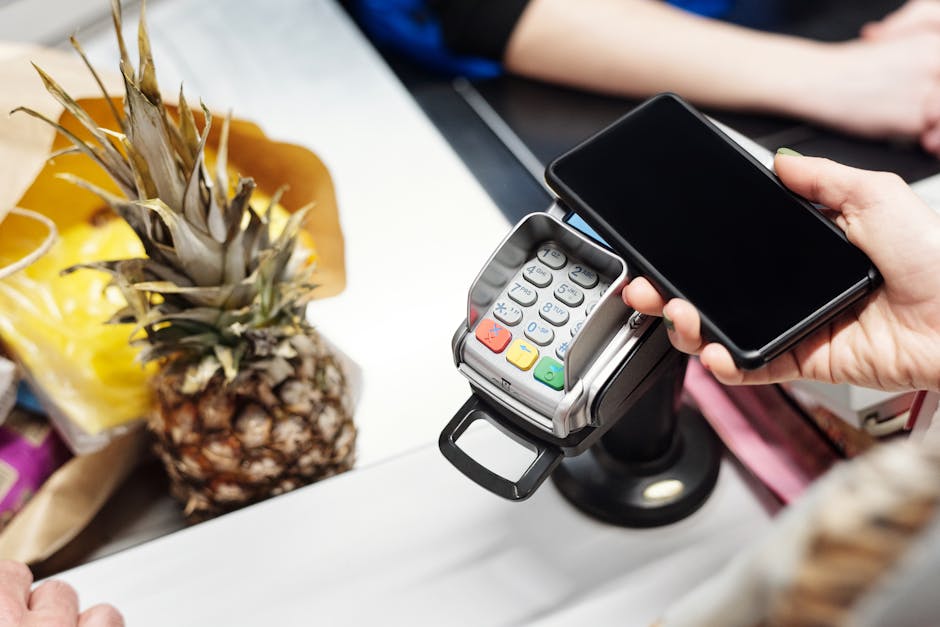
When a platform reduces payment steps, they aren't just trying to make money faster. They are respecting your time. A smooth, fast experience keeps you in the "flow state" of the app.
The "One-Sentence Translation" for Tech Jargon
You will hear developers talk about "optimizing the payment funnel." Translation: They are making the path from "I want this" to "I have this" as short and painless as possible.
Final Thoughts: Is "Faster" Always Better?
While "frictionless" sounds like a dream, there is one caveat: you should always feel in control. A truly great checkout experience is fast, but it is also transparent. It should clearly show you what you are paying and confirm that a transaction is complete.
If you find yourself on a site where the payment happens so fast that you aren't sure if you were charged, that is not a good "frictionless" experience—that is a bad user experience. Speed is good, but clarity is mandatory.
Next time you are checking out on your phone, look for these three signs of a truly frictionless experience:
The keyboard pops up automatically in the correct format (numbers only for numbers, etc.). There is a clear confirmation screen before your money moves. The page loads instantly without needing a loading spinner to sit on your screen for ten seconds.If you find those three things, the developers have done their job right.