If you’ve spent any time diving into college football or Big 12 hoops betting, you already know turnovers can be the great wild card of any game. They’re those sudden moments of chaos where smart analysis, film study, and solid spread thinking suddenly get tossed out the window. For handicappers and casual bettors alike, turnovers don’t just influence the final score — they can completely derail a strong betting read, turning what looked like a safe play into a coin flip decision.
Today, we're breaking down exactly how turnover luck and game variance impact betting outcomes, covering football and basketball angles, while also highlighting why relying solely on final scores or basic stats can lull you into a false sense of security. We’ll draw on resources like ESPN's Sports Betting section and how social media chatter can sometimes distort your understanding of turnover-related outcomes. Most importantly, we’ll show you how to refine your research approach to keep turnovers from tanking your betting bankroll.
Why Final Score vs Betting Outcomes Are Two Different Beasts
At first glance, the final score looks like the ultimate truth of a game. But if you’re solely interested in the spread, turnovers can flip the script in ways many bettors don’t anticipate.
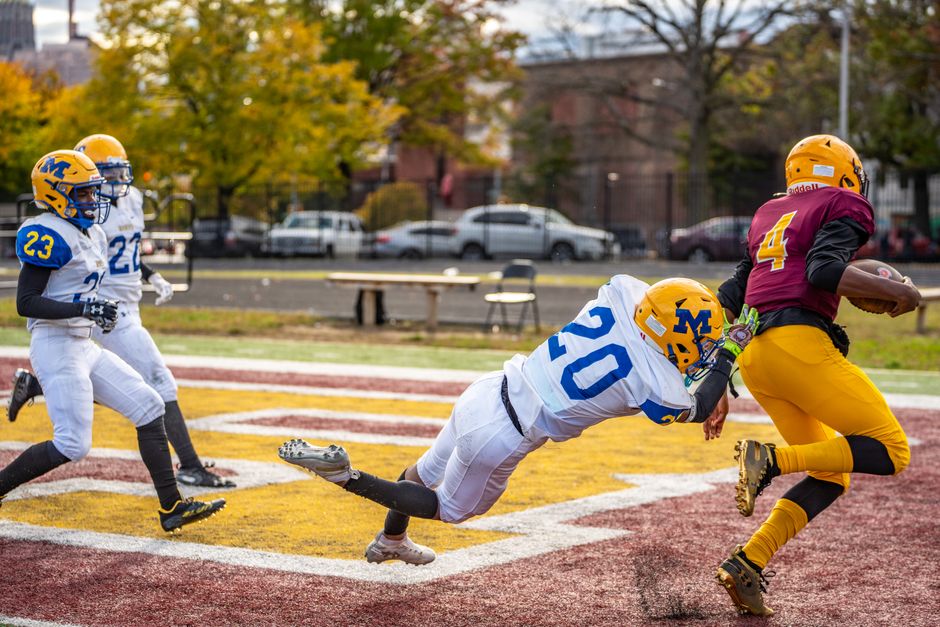
Take a scenario: Team A is a 7-point favorite, with impressive offensive efficiency and a defense that rarely coughs up the ball. The matchup research, pace expectations, and injury reports all point toward Team A covering comfortably. The final score ends 28-24 — a four-point win. But Team B gained two turnovers, including a critical fourth-quarter interception returned for a touchdown that cut the gap.
Despite Team A "winning," the spread didn’t get covered. Turnover luck suddenly becomes the outlier — you had all the right pregame info, but a few nasty turnovers messed with the late-game flow and, most crucially, the betting outcome.
Turnovers Inflate Game Variance
Turnovers aren’t just isolated mistakes — they are momentum swings that change the style and tempo of a game. This inflation of what sports bettors call game variance means that even a “solid” read on the match can be rendered moot. The fortunate or unfortunate team that benefits from turnovers can game-manage better, run more clock, or create easy points — these factors all multiply variability.
If you’re consistently ignoring turnover tendencies (both your team and the opponent’s), you might be unknowingly chasing bad beats, despite thorough research.
Point Spreads and Late-Game Turnover Meaning
Point spreads are designed to handicap the expected margin of victory. But turnovers, especially late in the game, can drastically alter how those spreads play out.
- Garbage time turnovers: Sometimes, if one team is already leading by a large margin, late turnovers won’t change the spread outcome because the game's effectively decided. Critical fourth-quarter turnovers: For closer games, these can flip the favorite/underdog spread result because they directly factor into late scoring swings. Psychological effects: A key fumble can freeze a team's momentum or rattle a quarterback’s confidence, impacting not just the current but future plays that bettors can't predict before kickoff.
So when you see a spread moving significantly in the last 30 minutes before kickoff, make it a habit to re-check turnover tendencies and recent team news. ESPN’s Sports Betting updates and various social platforms are goldmines for last-minute injury or turnover-prone performance intel.
Totals and Pace in Basketball: How Turnovers Throw a Wrench in Your Projections
Basketball fans betting on the totals (the over/under line) often tie the big 12 odds final point total to pace and how many possessions an average team uses. But turnovers can shrink or expand possessions dramatically — a mismatch could look like a 70-possession game, but if either team coughs up the ball frequently, the effective possessions and thus scoring opportunities drop.
For example, if Team X averages 12 turnovers per game but encounters a suffocating defense that forces 18 in one matchup, expect fewer overall points due to lost scoring chances. The opposite is also true if a typically clean team gets sloppy — the total might rise above expectations thanks to quick scoring https://enyenimp3indir.net/how-do-sportsbooks-react-to-injury-updates-right-before-kickoff/ off turnovers.
Pay attention to:
Turnover rate trends in past games and recent matchups Defensive schemes specialized in forcing turnovers, such as full-court pressing Player availability for ball-handlers prone to mistakesMatchup Research and Film-Stat Thinking in a Turnover Context
Good handicappers don’t just load up stats and call it a day. We dig deeper, watching film, noting how teams handle pressure moments and where turnovers happen. This is the heart of understanding how turnover luck factors into your reading of a contest.
- Where turnovers occur matters. If most interceptions happen on deep throws against tight coverage, that suggests forced errors rather than random luck. Player tendencies. Is the quarterback prone to forced throws under blitz pressure? Does the running back struggle with ball security in cold, wet conditions? These questions impact "turnover luck" potential. Scheme compare. Some offensive systems prioritize risk on short, high-percentage passes; others rely on guesses sprinkled in for chunk plays. Your read on these systems' turnover rates often differs.
Film-backed research goes beyond the numbers into the narrative behind turnovers, letting you differentiate between truly lucky (or unlucky) outcomes and expected turnover rates.
ESPN Sports Betting Section and Social Media: Useful Tools, But Use With Care
These days, staying updated on betting lines and turnover developments requires more than just watching the game. Sites like ESPN’s Sports Betting section provide detailed injury reports, line moves, and data-driven insights that can inform your betting adjustments in real time.
On the other hand, social media platforms offer a flood of instant information — and misinformation. Sure, you can spot late-game footage of fumbles, quarterback throws, or defensive turnovers rapidly uploaded by fans and analysts alike. But viral picks based on one or two turnover plays tend to get passed around as gospel when the context might be missing.
Watch the traps that annoy many bettors:
- Viral picks acting like facts: Just because someone highlights a turnover-heavy game doesn’t mean you should instantly adjust your bet. Fan bias disguised as research: Betting with your heart after seeing a favorite team’s “comeback turnover” moment isn’t research — it’s impulse. Confusing casinos with sportsbooks: Remember, a casino houses a sportsbook — the sportsbook is where you place your bets and see line movement. Knowing this keeps communication clear and helps you follow updates more efficiently.
Final Tips on Handling Turnovers in Your Betting Research
Putting it all together, here are my solid takeaways for incorporating turnovers into your betting approach:
Always check turnover stats but contextualize them. A high turnover rate doesn’t guarantee a team will turn the ball over in your game, but it sets an expectation. Watch late-game scenarios closely. Points and spreads can swing in final minutes because of turnovers — check updates 30 minutes before kickoff and keep tabs in live betting scenarios. Utilize film or trusted analysis. Forms, tendencies, and player behavior on the field or court matter. Don’t just cram numbers. Avoid chasing emotions. Turnovers can fuel hype — stay grounded by comparing multiple data sources before adjusting your bets. Track your own betting results in turnover-heavy games. Making mental or written notes will let you learn if you’re better off fading or backing teams prone to turnover-driven variance.
Conclusion
Turnovers embody the unpredictable nature of sports — they spice up a game but complicate the accountant’s math behind betting lines and spreads. In the Big 12, where offenses attack aggressively and defense schemes vary widely, turnover luck and game variance aren’t just nuisances; they’re pivotal variables that separate lucky bettors from sharp handicappers.
To win consistently, layer your research with a nuanced understanding of how turnovers affect pace, scoring, momentum, and the all-important spread outcomes. Keep your eyes on trusted sources like ESPN’s betting section, but don’t fall for viral narratives that treat a single turnover swing as a definitive signal — especially on social media. And of course, always check that line movement 30 minutes before kickoff to catch any late-breaking news or shifts influenced by turnover expectations.
Bet smart, bet informed — but never ignore the beautiful, maddening chaos of turnovers.