In the world of online casino apps and mobile websites, live streaming is more than a feature—it’s the lifeblood of user engagement. Players expect seamless, low-latency multi-camera production for games like blackjack, roulette, and poker. However, ensuring that streams maintain quality under constantly fluctuating network conditions is a serious technical challenge.
In this article, we'll take a deep dive into the technology and workflows that keep streamed casino experiences fluid regardless of bandwidth dips or unexpected network hiccups. Drawing insights from industry experts, hardware suppliers like Hardware Times, streaming innovators like MRQ (mrq.com), and standards from the Society of Motion Picture and Television Engineers (SMPTE), we will explore:
- How multi-camera studio production differs from typical live events The importance of lighting and visual consistency in live casino streams Mobile-first streaming constraints and adaptive bitrate streaming The encoding and compression strategies that drive resilient delivery
Multi-Camera Studio Production: The Backbone of Immersive Casino Streaming
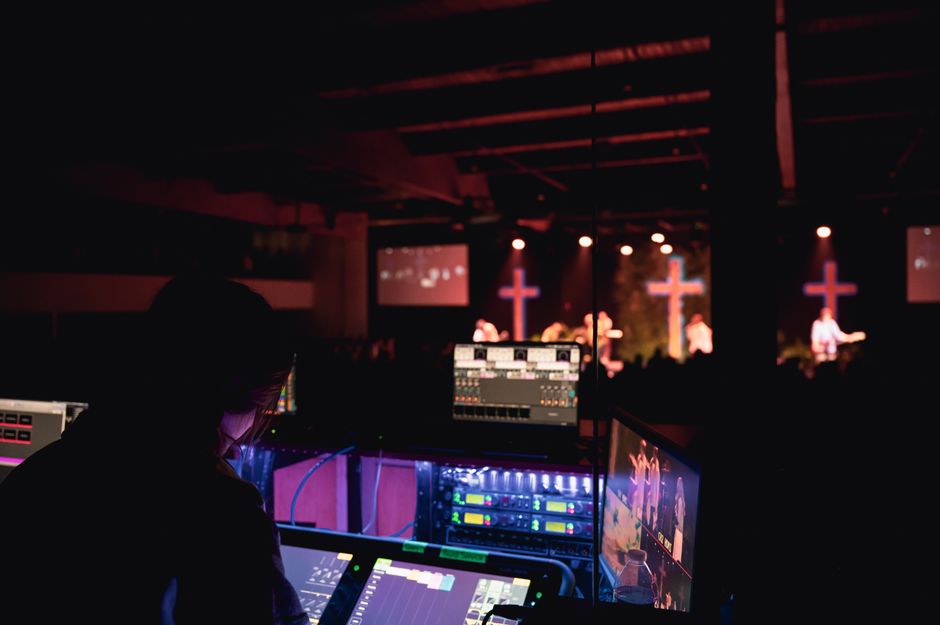
Unlike traditional webcasting or simple broadcasts, online casino streams often feature multiple camera angles—showing dealers, tables, chips, and even audience reactions. This multi-camera environment adds complexity both on the production floor and the delivery chain.
What Happens When This Box Overheats at Hour 9?
Hardware Times recently conducted extensive vendor evaluations, emphasizing sturdy encoders that can operate reliably without overheating during marathon streaming sessions. These investigations are crucial because a single encoder failure could kill the stream, frustrating thousands of live participants.

Production teams employ dedicated hardware, including switchers and encoders, designed for 24x7 operation in studio environments controlled for temperature and dust. Redundancy isn’t optional — there are always hot spares and failover pipelines ready to activate if a primary feed suffers issues.
Synchronization – The Constant Mental Checklist
SMPTE standards are invaluable for ensuring synchronization across video feeds, metadata, and UI overlays. Casinos must keep bets, game state, and live visuals perfectly aligned. Mismatches create confusion and affect player trust.
- Video Sync: Frame-accurate alignment across multiple angles Data Sync: Timely updates for odds, dealer actions, and game results UI Sync: Responsive interfaces matching the live feed
Lighting and Visual Consistency: Beyond Pretty Pictures
Casinos rely heavily on polished lighting and consistent visual aesthetics to generate excitement and replicate the glamour of a physical casino floor. Any sudden changes in color balance, brightness, or contrast can shatter immersion.
The production team carefully controls studio lighting to avoid flicker and glare. This is also crucial for compression efficiency—as stable light and color information enable better video compression with fewer artifacts.
Balancing Lighting for Mobile Delivery
Smartphones have varying camera and screen capabilities, and color reproduction on mobile devices can differ greatly. The lighting and visual design of streams are thus tuned to be robust across this spectrum—bright enough to look good on dim phones, but not so intense that it crushes shadow detail on high-end displays.
Mobile-First Streaming Constraints and Adaptive Bitrate
With most users accessing online casino streams on mobile devices, the streaming architecture prioritizes mobile-first design principles. This imposes tight constraints on latency, bandwidth usage, and playback resilience.
How Adaptive Bitrate Streaming Works
The golden standard is adaptive bitrate (ABR) streaming, which dynamically switches between multiple quality levels to compensate for real-time network fluctuations. The streaming server or client player monitors throughput and buffer health, instructing the encoder or CDN to serve the best possible video quality without stalling or excessive buffering.
Quality Level Resolution Bitrate (kbps) Typical Use Case Low 320x180 250-500 Poor mobile networks, saving data Medium 640x360 750-1200 Average mobile or Wi-Fi connections High 1280x720 1500-3000 Strong mobile data or Wi-Fi HD 1920x1080 4000+ Rare; mostly high-end Wi-FiMultiple Quality Levels and the Mobile Delivery Chain
Companies like MRQ (mrq.com) specialize in orchestration platforms that manage multi-camera streams and adaptive bitrate profiles seamlessly. Their solutions integrate deeply into mobile delivery chains, offering developers APIs and monitoring tools to optimize stream switching with minimal latency.
This mobile delivery chain includes:
Capture: Capturing multiple angles in HD or SD with minimal latency Encoding: Real-time compression into multiple quality levels using hardware/software hybrid encoders Packaging: Segmenting streams per ABR protocols like HLS or DASH CDN Delivery: Leveraging geographically distributed delivery for low-latency reach Client Player: On-device bandwidth sensing and smooth quality adaptationEncoding and Compression: The Unsung Heroes in Casino Streaming
Underneath everything lies encoding. Efficient compression algorithms like H.264 and increasingly H.265/HEVC are vital to delivering crisp visuals at low bitrates. However, the technical challenge is juggling:
- Latency — Too much buffer bloat kills the feeling of 'live' Quality — Preserving detail without hammering bandwidth Resilience — Handling packet loss and jitter gracefully
Hardware Times highlighted in its encoder evaluations that best-in-class hardware encoders now incorporate specialized ASICs and real-time error correction methods to optimize this balance, crucial for 24/7 live casino streams.
Tradeoffs and Realities
Each step along the encoding and delivery path involves tradeoffs. For example, increasing the keyframe interval reduces bitrate but may increase latency and risk of stalling during network degradation. The Society of Motion Picture and Television Engineers (SMPTE) continues to refine standards that guide how these tradeoffs should be managed in ultra-low-latency contexts like live gambling.
Conclusion: Keeping Players in the Game Despite Network Challenges
Online casino apps and their mobile websites have mastered a complex blend of multi-camera live production, visually consistent lighting, mobile-first adaptive bitrate streaming, and sophisticated encoding to keep streams continuous and compelling. By leveraging cutting-edge hardware evaluated by industry veterans like Hardware Times, orchestration platforms from innovators like MRQ, and aligning with rigorous standards from SMPTE, they ensure players get a seamless experience regardless of the network conditions.
Next time you watch a dealer flip cards on your mobile casino app during https://hardwaretimes.com/the-hardware-behind-modern-live-casino-streaming/ a subway ride or in a crowded café, remember the decades of engineering and best practices simmering behind that smooth stream. Because when network conditions change, you’ll barely notice.